
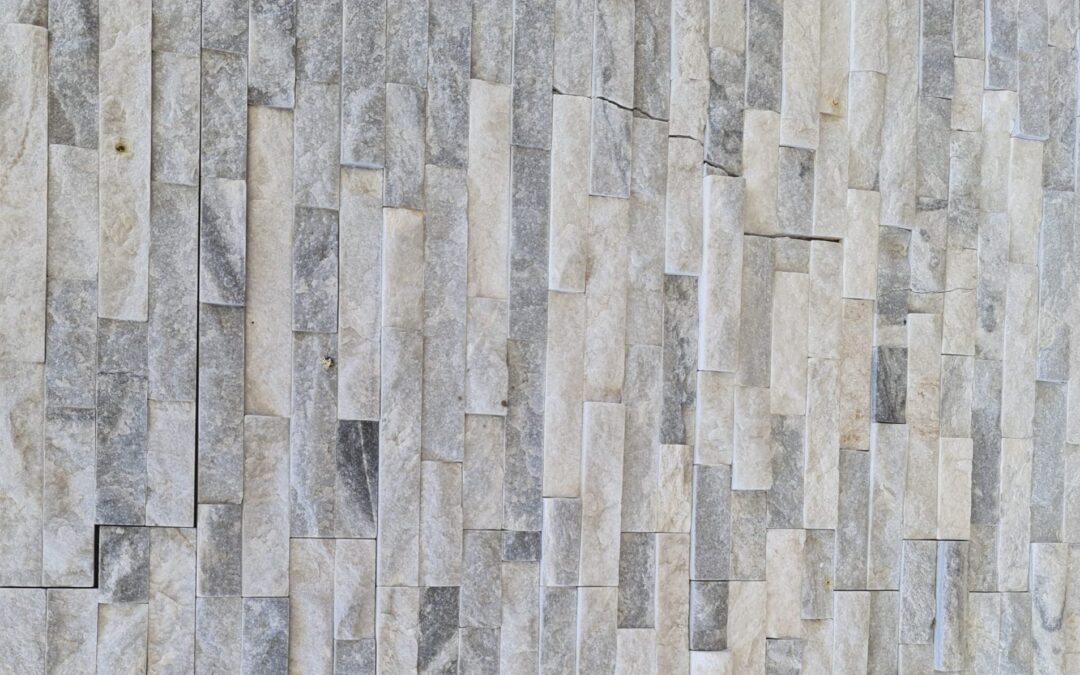
If you have been searching for wall cladding in Melbourne, you already know the problem. There are dozens of options, contradictory advice, and a nagging worry that you will choose something that looks brilliant today but deteriorates in five years. Melbourne’s unpredictable climate makes that worry completely justified. The city throws forty-degree summer scorchers, cold wet winters, and UV exposure that humbles most building materials. Choosing the wrong cladding for the wrong application is a costly mistake most homeowners make only once.
The good news is that natural stone wall cladding is purpose-built for exactly these conditions. It handles heat, cold, and rain without flinching. Whether you are planning a dramatic indoor feature wall, a bold exterior facade, or a practical alfresco cladding solution, natural stone delivers durability alongside genuine visual character that manufactured alternatives simply cannot replicate. This guide covers everything you need to know before making a decision.
Verified Fact
According to the Australian Building Codes Board (ABCB), external cladding materials must meet specific weatherproofing and fire performance requirements under the National Construction Code. Natural stone is inherently non-combustible and meets these requirements.Source: Australian Building Codes Board (ABCB), National Construction Code 2022.
Why Melbourne’s Climate Makes Material Choice Critical
Melbourne is genuinely one of the trickiest climates in Australia for building materials. The Bureau of Meteorology consistently records temperature swings of 20 degrees or more within a single week. Summers bring prolonged UV exposure and heat that causes expansion in synthetic materials. Winters deliver persistent moisture, ground frost in outer suburbs, and sustained dampness that exposes the weakness of porous or poorly sealed surfaces.
This is not abstract. Timber cladding warps and splits under these conditions without intense, ongoing maintenance. Lightweight synthetic panels can delaminate or warp under sustained UV stress. Natural stone, by contrast, has spent millions of years forming under geological pressure. It is intrinsically stable, thermally resistant, and non-combustible, offering an exceptionally durable facade solution for Melbourne homes.
Understanding this context explains why so many Melbourne homeowners are moving toward natural stone wall cladding for both interior and exterior applications. It performs where other materials eventually fail. And importantly, it does so while looking genuinely exceptional — not just functional.
Natural Stone Wall Cladding: What Sets It Apart
Natural stone cladding is not a new concept. Civilisations have been cladding structures in stone for thousands of years. What has changed is the format. Modern thin-cut stone panels allow the full aesthetic of natural stone without the structural load of solid masonry. This makes stone cladding practical for residential projects across Melbourne — not just heritage restorations or commercial buildings.
The defining characteristic is authenticity. Every piece of natural stone has a unique mineral structure, colour variation, and surface texture that cannot be replicated in a factory. Stack stone panels, limestone veneers, and bluestone slips each carry a visual depth that manufactured alternatives have been trying — and failing — to imitate for decades.
Why Natural Stone Works for Melbourne
- Non-combustible — meets NCC fire standards
- Thermally stable across extreme temperature swings
- UV-resistant — colour holds for decades
- Moisture-tolerant when correctly sealed
- Unique finish impossible to replicate
- Adds measurable property value
Ideal Applications in Melbourne
- Exterior facade and garden walls
- Indoor feature walls and fireplaces
- Alfresco entertaining walls
- Pool surrounds and boundary walls
- Entry statements and pillars
- Retaining walls with aesthetic appeal
At Domko Stone and Paving, the product range includes granite, bluestone, limestone, sandstone, travertine, stack stone, and porcelain tile options. Each material is selected for Australian conditions and tested for outdoor performance. That is the kind of curation that matters when you are installing something intended to last decades.
| 50+ Years lifespan of properly installed natural stone cladding | 2,200 Annual sunshine hours in Melbourne exposing cladding to UV | 0 Combustibility rating of natural stone (non-combustible) | 3-5 yrs Recommended resealing interval for outdoor stone cladding |
Bluestone Wall Cladding for Melbourne Homes
Bluestone has a long and genuinely Melbourne story. This volcanic basalt has been quarried across Victoria for over a century. You see it in bluestone laneways, heritage kerbing, and colonial-era buildings throughout Melbourne’s inner suburbs. It is deeply embedded in the city’s architectural identity. Using bluestone wall cladding on a Melbourne home therefore does not feel like a trend — it feels like continuity.
As a cladding material, bluestone is exceptionally hard and dense. Its low porosity means it absorbs very little moisture, which is a critical advantage in Melbourne winters. Frost barely affects it. Heavy rain does not penetrate it. Summer heat does not discolour it. These properties explain why bluestone cladding appears on both heritage restorations and modern architectural projects throughout Melbourne.
The characteristic blue-grey tone of Victorian bluestone is incredibly versatile. It pairs seamlessly with white-rendered facades, timber accents, black steel framing, and contemporary architectural concrete. For modern wall cladding designs in Melbourne, bluestone hits a sweet spot — it reads as both contemporary and classic, depending on how it is finished and installed.
Honed bluestone delivers a smooth, matte surface suited to indoor feature walls. Bush-hammered or sandblasted finishes add texture and slip resistance for exterior applications. Explore the full bluestone product range at Domko to see available formats, sizes, and thickness options for your specific project.
Limestone Wall Cladding for Exterior Walls
Limestone brings a warmth and softness to exterior walls that no other stone quite matches. Its naturally creamy, buff, and golden tones work beautifully against Melbourne garden settings, timber screens, and darker accents. Limestone wall cladding on exterior walls creates a textural richness that transforms a plain rendered facade into something genuinely considered.
The main concern with limestone outdoors is sealing. Limestone is moderately porous compared to bluestone or granite. Without proper sealing, Melbourne rain and ground moisture can cause staining and surface erosion over time. However, with correct sealing applied at installation — and reapplied every three to five years — limestone performs exceptionally well in Melbourne’s external environment.
Practical tip: For exterior limestone cladding in Melbourne, always specify a penetrating silicone-based sealer rated for natural stone and outdoor conditions. This prevents moisture ingress without altering the stone’s natural appearance. Ask your supplier for a product data sheet confirming suitability for external wet zones.
Internally, limestone is spectacular. Feature walls behind fireplaces, in dining rooms, or as architectural backdrops in living spaces carry the kind of organic texture that makes spaces feel genuinely luxurious. Limestone’s light-reflective qualities also make rooms feel larger and brighter — a practical bonus in Melbourne homes where natural light is a premium.
Browse the limestone options available at Domko Stone and Paving for formats suited to both exterior cladding and indoor feature wall applications across Melbourne.
Stack Stone Feature Walls: Indoor and Outdoor Uses
Stack stone is the workhorse of the feature wall world. If you want maximum visual impact with a relatively straightforward installation process, stack stone panels deliver it reliably. The interlocking split-face panels create a layered, textured surface that looks like painstakingly hand-laid stone but installs far more efficiently.
Melbourne homeowners love stack stone for alfresco walls and outdoor entertaining areas. The textured surface absorbs light naturally, creating depth and shadow that changes throughout the day. In an alfresco setting, a stack stone feature wall becomes the visual anchor of the entire outdoor space. It works brilliantly behind outdoor kitchens, beside fire pits, or along boundary walls adjoining gardens.
Indoors, stack stone is particularly effective around fireplaces and TV walls. The tactile quality of the split face surface adds warmth to contemporary interiors that often lean too clean or cold. Stack stone grounds a room visually without overwhelming it.
One thing worth noting: stack stone works best when it is used with intention. One feature wall in a room is powerful. Four stack stone walls in the same space become claustrophobic. The same principle applies externally — identify one focal wall and let it do the work.
Check out Domko’s stack stone range for available profiles, colours, and thickness options suited to Melbourne’s outdoor conditions.
Comparing Wall Cladding Materials for Melbourne
Choosing between materials comes down to your specific application, budget, and aesthetic goals. The table below compares the main natural stone options alongside common alternatives. All ratings are based on performance in Melbourne’s climate.
| Material | Durability | Melbourne Climate Suitability | Maintenance Level | Best Application | Typical Cost Range (m2) |
|---|---|---|---|---|---|
| Bluestone | Excellent | Excellent | Low | Exterior facades, feature walls | $120 – $220 |
| Limestone | Very Good | Good (sealed) | Moderate | Indoor/outdoor feature walls | $100 – $200 |
| Sandstone | Good | Good (sealed) | Moderate | Garden walls, heritage style | $90 – $180 |
| Granite | Excellent | Excellent | Very Low | High-traffic walls, entry features | $130 – $250 |
| Stack Stone Panels | Very Good | Very Good | Low | Feature walls, alfresco, fireplace | $80 – $180 |
| Brick Slips | Moderate | Moderate | Moderate | Interior industrial look | $60 – $140 |
| Composite Panels | Good | Very Good (UV-Stable) | Low | Low-maintenance modern facades | $80 – $160+ |
Cost ranges above reflect material cost only, excluding installation labour. These figures are indicative estimates for Melbourne and may vary based on supplier, format, and finish. Always request itemised quotes for your specific project dimensions.
Wall Cladding Installation Costs in Melbourne
Cost is inevitably one of the first questions. And understandably so — wall cladding projects range enormously in scope. A single interior feature wall is a very different job from cladding an entire external facade. Here is a clear breakdown of what to realistically expect in Melbourne.
Material Costs
Natural stone cladding materials in Melbourne typically range from $80 to $250 per square metre. Bluestone and granite sit at the higher end due to their density and processing requirements. Limestone and sandstone are generally mid-range. Stack stone panels offer a strong mid-point between cost and visual impact.
Labour and Installation Costs
Professional installation of natural stone cladding in Melbourne typically adds $120 to $250+ per square metre. Rates vary based on wall height, surface preparation requirements, substrate condition, and panel format. Complex installations — irregular surfaces, corners, large format stones — attract higher rates. Always obtain at least two itemised quotes from licensed stonemasons or tilers.
Factors That Affect Your Total Cost
- Wall height and accessibility for installation
- Substrate condition and whether preparation work is needed
- Stone format — full slab, panel, or thin veneer
- Grouted versus dry-stack installation style
- Sealing and finishing requirements
- Waste and cutting allowance for irregular formats
The smartest way to budget accurately is to get a measured quote directly from your supplier. Contact Domko Stone and Paving for product supply pricing and referrals to experienced Melbourne installers familiar with their product range.
Wall Cladding for Alfresco Areas in Melbourne
Melbourne’s alfresco culture is genuinely strong. Despite the weather being famously unpredictable, outdoor entertaining areas are a priority for most Melbourne homeowners undertaking renovations. The alfresco wall is often the most visible surface in an outdoor space — and the right cladding transforms it from a backdrop into a statement.
The challenge with alfresco cladding is that it must handle it all. Summer sun bakes it. Winter rain saturates the air around it. BBQ smoke and outdoor cooking grease occasionally land on it. It needs to look good, resist staining, and still be standing perfectly in 20 years. Natural stone — particularly bluestone, granite, and sealed limestone — handles this requirement comfortably.
Stack stone panels are especially popular for alfresco feature walls in Melbourne. Their textured, split-face surface creates visual interest without requiring complex design. Pair a stack stone wall with timber decking, outdoor string lighting, and a simple outdoor kitchen, and you have created a space that every Melbourne homeowner will envy. That is not an exaggeration — it genuinely works.
Design tip for Melbourne alfresco spaces: Choose a cladding tone that complements your existing pavers. If you have used bluestone pavers underfoot, a lighter limestone or sandstone cladding on the wall creates tonal contrast without visual conflict. Dark cladding with dark paving can feel heavy and enclosed.
For alfresco areas that incorporate outdoor kitchens, ensure your cladding extends to the correct height behind cooking surfaces to protect the substrate. Porcelain tile cladding is also worth considering in zones with heavy grease exposure, as its smooth surface cleans easily and is stain-proof by nature. Domko stocks porcelain tile options suitable for outdoor applications in Melbourne.
Indoor Feature Walls: Design That Actually Works
An indoor stone feature wall is one of those design elements that photographs well and lives even better. The tactile quality, the organic variation, the way light plays differently on stone throughout the day — it creates a genuinely premium atmosphere that painted plaster simply cannot. Melbourne interior designers have been leaning heavily into natural stone feature walls across both new builds and high-end renovations.
The most common indoor applications include living room feature walls, fireplace surrounds, dining room accent walls, and bathroom feature walls. Each application has slightly different requirements around material choice and finish.
Fireplace Feature Walls
Limestone and sandstone are excellent choices for fireplace surrounds. Their natural warmth in tone complements the glow of an open fire beautifully. Stack stone panels are equally effective and installation is faster. For gas fireplaces with zero-clearance requirements, always confirm that your chosen stone meets the clearance specifications of your fireplace unit with your installer.
Living Room and TV Feature Walls
The TV wall is probably the most requested feature wall application in Melbourne homes. A well-executed stone feature wall behind a floating TV creates a focal point that elevates the entire room. Honed limestone or a light-toned sandstone work well here because they do not visually compete with the screen. Stack stone in a mid-grey tone is equally impressive without being distracting.
Bathroom Feature Walls
Always use a certified waterproofing membrane system behind stone in wet area applications. According to Australian Standard AS 3740 and NCC mandates, natural stone is strictly prohibited as a final surface layer inside the actual wet shower recess unless it is fully sealed and engineered on a compliant substrate, making stone better suited as a luxury feature wall outside the immediate splash zone.
Installation Essentials for Wall Cladding in Melbourne
Even the best natural stone will underperform if it is incorrectly installed. This section covers the non-negotiable installation principles for wall cladding in Melbourne homes.
Substrate Preparation
The substrate must be clean, flat, structurally sound, and free of moisture. For external applications, a cement sheet or rendered masonry substrate is standard in Melbourne construction. Timber frame substrates require moisture-resistant sheet material and careful waterproofing detailing.
The Air Gap Requirement
For external cladding, a drainage cavity or air gap behind the stone is strongly recommended. This allows any moisture that penetrates the face to drain safely downward rather than being trapped against the building structure. The ABCB and the National Construction Code provide guidance on drainage requirements for external cladding systems.
Adhesive and Mortar Selection
Natural stone requires a flexible, polymer-modified adhesive rated for the stone type and application. For heavy stone formats, mechanical fixings may be required in addition to adhesive. Always follow the stone manufacturer’s or supplier’s installation guidelines. Using the wrong adhesive is one of the most common — and costly — installation mistakes.
Sealing After Installation
All porous natural stone — limestone, sandstone, travertine, and many granites — must be sealed after installation and before grouting. A penetrating sealer protects the stone from grout staining and subsequent moisture ingress. For exterior applications in Melbourne, choose a sealer specifically rated for outdoor and UV exposure.
Expansion Joints
Melbourne’s significant temperature range means thermal expansion must be accommodated. Expansion joints at maximum 4.5 metre intervals are standard practice for exterior stone cladding. Omitting expansion joints causes cracking — it is not a question of if but when.
Since you have made it this far, here is something worth bookmarking: domko.com.au carries the full range of natural stone options discussed in this guide — all suited to Melbourne conditions. Go on, have a squiz.
Frequently Asked Questions About Wall Cladding in Melbourne
What is the cheapest way to clad a wall?
The most affordable approach is lightweight thin-veneer stone panels or brick slips, which reduce both material costs and labour time. Stack stone panels are another cost-effective option that delivers strong visual impact without full-depth stone installation.
How much does wall cladding cost?
In Melbourne, premium natural stone wall cladding materials typically range from $80 to $250 per square metre, depending on the stone type, format, and finish. Real bluestone and granite sit at the higher end of the range, while loose sandstone and limestone veneers serve as mid-range options.
How much does it cost to install wall cladding?
Installation labour in Melbourne generally adds $120 to $250+ per square metre on top of material supply costs. Total professionally installed costs for a compliant natural stone facade commonly range from $225 to $450+ per square metre, depending heavily on wall height, substrate preparation, and masonry complexity.
What cladding should I avoid?
Avoid aluminium composite panels with non-fire-rated cores, which have faced regulatory attention across Australia following fire safety incidents. Also avoid porous stone without sealing in exterior Melbourne applications — it will absorb moisture and degrade faster than expected.
What is a cheap alternative to cladding?
Rendered masonry, textured exterior paint, and timber battens are cheaper alternatives. However, these lack the longevity and property value uplift of natural stone cladding. For a budget-conscious stone look, consider thin-veneer stack stone panels.
Do you need an air gap behind cladding?
Yes, for external cladding in Melbourne. A drainage cavity behind external stone cladding allows moisture to escape and prevents water ingress into the building structure. This is consistent with guidance from the Australian Building Codes Board.
What is the cheapest and best cladding?
Thin-format natural stone veneer panels offer the best balance of value and performance for Melbourne conditions. Stack stone panels sit at a strong mid-point: affordable, visually impressive, and durable in outdoor environments.
Does cladding add value to a house?
Yes. Quality natural stone cladding consistently improves kerb appeal and perceived property value in Melbourne. Feature walls and well-executed exterior cladding are genuine selling points in the current Melbourne real estate market.
Can you put new cladding over old cladding?
No, you should never install heavy natural stone cladding directly over old, existing facade systems. Natural stone requires a completely clean, structurally engineered substrate (like thick fiber-cement sheeting or core-filled concrete blockwork) that is rated to support the severe dead-weight load of the stone safely without collapsing.
Is natural stone cladding suitable for Melbourne winters?
Yes. Dense natural stones like bluestone and granite are highly resistant to cold and moisture. Limestone and sandstone handle Melbourne winters well when correctly sealed. Regular resealing every three to five years maintains performance through seasonal cycles.
How long does natural stone wall cladding last?
Correctly installed and maintained natural stone cladding lasts 50 years or more. Stone buildings across Melbourne’s heritage precincts demonstrate this longevity in real-world conditions. Periodic sealing and occasional mortar repointing are the primary maintenance requirements.
Can wall cladding be used indoors and outdoors?
Absolutely. Most natural stone cladding products suit both indoor and outdoor applications. The key distinction is finish and sealing — outdoor applications need UV-stable sealers and slip-resistant finishes in underfoot-adjacent zones. Always confirm suitability with your supplier before purchasing for dual-use applications.
How do I maintain outdoor stone cladding in Melbourne?
Regular maintenance is straightforward: rinse with clean water periodically, clean with a pH-neutral stone cleaner if stained, and reseal every three to five years. Avoid acidic cleaners on limestone and sandstone, as acid dissolves the stone surface.
Final Thoughts: Choosing Wall Cladding for Your Melbourne Home
Wall cladding in Melbourne is not a decision to rush. The material you choose will interact with Melbourne’s climate, your home’s architecture, and your household’s daily life for decades. Getting it right means understanding the material, the application, and the installation requirements — not just the price per square metre.
Natural stone consistently performs best across all the criteria that matter most: durability, climate resilience, visual quality, and long-term property value. Bluestone is Melbourne’s native material — dense, durable, and architecturally versatile. Limestone brings warmth and character to both exterior and interior applications. Stack stone delivers maximum impact with practical installation. Granite offers the hardest, lowest-maintenance option available.
The smartest next step is to explore your material options in person. Photographs are helpful. Samples in your actual space, in your actual light, are invaluable. The team at Domko Stone and Paving in Doveton understands Melbourne conditions intimately. They can help you narrow your selection based on your specific wall, your budget, and your design direction.
Do not make a $5,000 decision based on a thumbnail image. Go and see the stone.